Hearing loss is a common concern for veterans due to the high levels of noise encountered during military service. Some service members may detect changes soon after returning from duty, while others might experience gradual hearing shifts years later. Being aware of the connection between military service and hearing health can help you identify potential issues early and understand when it may be necessary to seek evaluation.

Veterans who notice changes in their hearing have access to assessments and support tailored to their experiences. Audiologists familiar with the demands of military service can provide evaluations that consider the unique noise exposures and challenges veterans face. Understanding how hearing loss can develop over time allows you to monitor your auditory health and make informed decisions about care. This knowledge helps you communicate more effectively with an audiologist and take practical steps to maintain your hearing and overall well-being.

Common Reasons Veterans Experience Hearing Loss

Hearing loss among veterans often stems from the unique sound exposures encountered during service. Repeated or intense noise from firearms, aircraft and heavy equipment can gradually damage the inner ear, even if protection is used at times. Certain training environments and machinery operations add to the cumulative effect, making the ears more vulnerable over time. Some veterans may also experience sudden hearing changes after particularly loud events, while others notice a slow decline that develops over years. Recognizing these common sources of hearing challenges can help veterans stay aware of their auditory health and seek timely evaluations.

How Service-Related Noise Exposure Can Change Hearing

Exposure to loud sounds during service can lead to permanent changes in your hearing. Gunfire, explosions and heavy equipment can damage the tiny hair cells inside your ear. Once these hair cells are damaged, they do not grow back.

Being aware of this risk allows you to take steps to protect your hearing early. Early awareness can help you notice changes sooner and seek help from an audiologist. Some people may not realize their hearing has changed until it starts affecting daily life, but understanding the connection between noise and hearing loss means you can ask for support or protection in future noisy situations. Once damage occurs, it cannot be reversed, so prevention and early action are key.

The Effects of Age and Health on Veteran Hearing Loss

Age and overall health play a significant role in hearing loss for veterans. As you get older, the tiny cells inside your ear naturally wear down, making it harder to hear clearly. Health issues such as diabetes, high blood pressure or heart disease can also increase the likelihood of hearing loss. Managing these conditions can help protect your hearing.

Noticing Early Signs That May Point to Hearing Loss

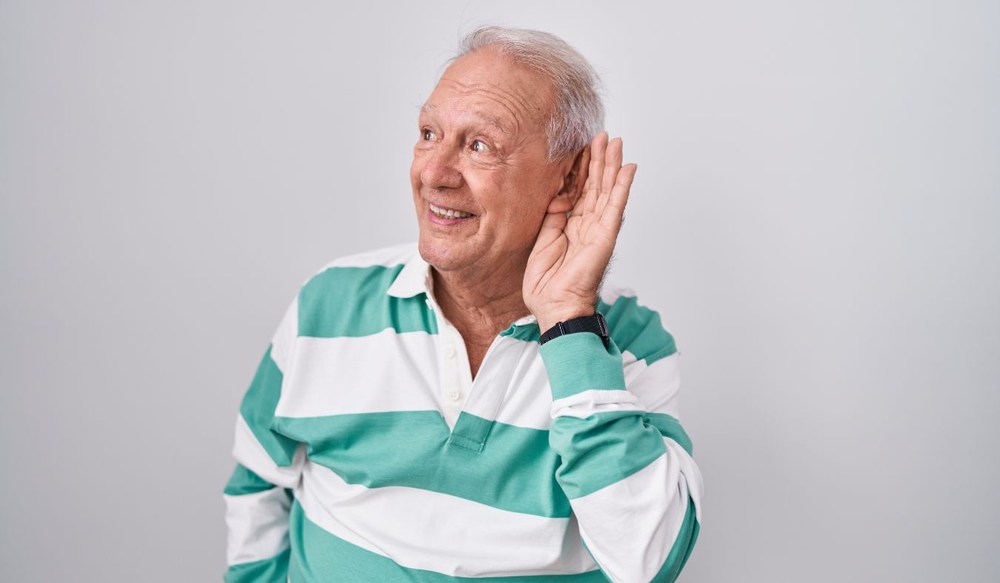
It can be difficult to notice early signs of hearing loss, especially when changes happen gradually. You might find yourself asking people to repeat themselves or turning up the volume on the TV more than before. Missing parts of conversations in noisy places or struggling to hear soft sounds, like a phone ringing in another room, are also common experiences. If you notice these changes, remember that many veterans share similar experiences and feelings about their hearing health.

How Untreated Hearing Loss Can Affect Daily Activities

Untreated hearing loss can make everyday tasks more challenging for veterans, even when they seem routine. Conversations with family, friends or coworkers may require more effort to follow and important details can be missed, which can lead to misunderstandings. Activities like watching television, attending meetings or participating in group events can become frustrating, leaving veterans feeling isolated or less confident in social settings. Over time, these small communication barriers can add up, affecting overall quality of life and creating a sense of disconnection from the people and environments around them.

Hearing loss can also influence safety and efficiency in daily activities. Simple tasks like driving, crossing the street or responding to alarms may require extra focus when hearing is impaired. Veterans who rely on situational awareness in both professional and personal settings may notice that missed auditory cues slow reaction times or make certain environments feel more stressful. Addressing hearing challenges with the guidance of an audiologist can help veterans stay more engaged, confident and secure in their daily routines, reducing the impact of untreated hearing loss on everyday life.

The Importance of Routine Hearing Checks for Veterans

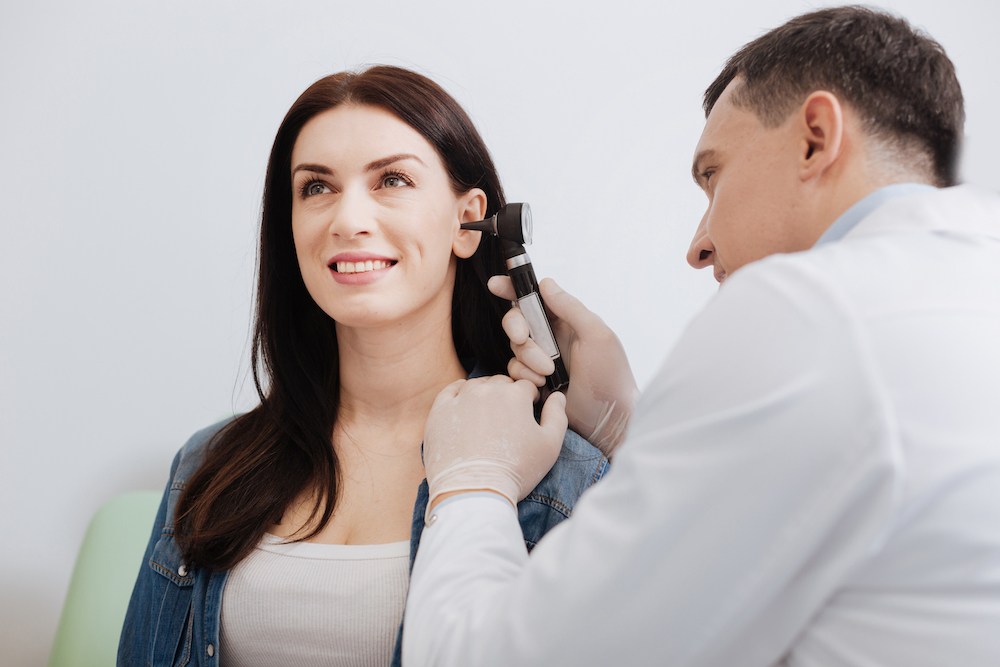
Routine hearing checks are important because hearing loss can develop slowly or appear long after service ends. Regular visits to an audiologist help catch changes early, even before you notice any problems. Early detection means you can get the right support and care when needed. Staying on top of your hearing health helps protect your quality of life and keeps you connected with others. Keeping up with routine checks ensures that help is available whenever it is needed.

The Role of Hearing Protection for Veterans

Hearing protection plays an important role in preserving auditory health for veterans, both during service and afterward. Consistent exposure to high sound levels can contribute to gradual hearing loss if protection is not used. Employing earplugs, earmuffs or other protective devices helps reduce the impact of these sounds and lowers the risk of long-term hearing problems. Regular use of hearing protection can support clearer hearing, prevent further decline and maintain overall quality of life. Knowing how and when to use these tools effectively is an essential part of managing hearing health.

Taking Steps Toward Better Hearing Health for Veterans

Hearing loss is a common part of life after service for many veterans. Understanding the risks and early signs helps you take control of your hearing health. There are resources available to guide you toward better hearing, and reaching out for support when you notice changes is a positive step.

If you want to learn more about hearing loss, and how to protect your hearing, schedule an appointment with an audiologist. Scheduling a routine check or discussing your concerns may help improve your daily life and keep you connected with those who matter most. Taking action now gives you the best chance to protect your hearing for years to come.