Have you noticed that conversations seem harder to follow, or that the TV volume keeps going up as the years go by? As you get older, changes inside your ears and brain can slowly affect how well you hear, often so gradually that you may not realize what is happening at first.

These changes can influence how clearly you understand speech, how tiring social situations feel and how confident you feel in daily life. When you understand what is typical with age related hearing changes, it becomes easier to spot early signs, know when to seek help and feel more prepared for choices about your hearing health.

How Aging Affects Hearing and Processing Sound

As people age, changes in the ears and the brain can make it harder to hear and process sound clearly.

The tiny hair cells in the inner ear that detect sound gradually become less sensitive, making higher-pitched sounds and quieter noises harder to notice. This can make conversations in busy environments, like restaurants or family gatherings, more challenging to follow, even if someone has never had significant hearing issues before.

Aging also affects how the brain interprets the sounds it receives. Signals from the ears may take longer to process, making it harder to distinguish speech from background noise.

This combination of physical and cognitive changes can make listening more tiring and increase the effort needed to understand everyday conversations. Recognizing these shifts early can help people find strategies and tools to maintain clear hearing and stay engaged in daily life.

What is Age-Related Hearing Loss?

Age-related hearing loss is a gradual decline in the ability to hear that occurs as people get older. It typically affects both ears and makes it harder to pick up higher-pitched sounds, understand speech in noisy environments or follow conversations clearly.

The changes happen slowly, so it can be easy to overlook at first. Recognizing the signs early and seeking professional guidance can help manage the effects and maintain better communication and quality of life.

Early Signs of Age-Related Hearing Loss

Early signs of age-related hearing loss often show up in everyday moments. You may notice that you are turning up the TV louder than others prefer, asking people to repeat themselves or feeling like people are mumbling even when they speak clearly.

Group conversations may leave you tired, or noisy places like restaurants may make it much harder to follow what is being said. Some people start to miss high pitched sounds, like birds singing or the beeps from household devices and timers.

When to Schedule a Hearing Check as You Get Older

As hearing changes become more common with age, regular hearing checks can help you stay ahead of small problems before they grow into bigger ones. Many experts suggest a baseline hearing test around age 50, then a check every few years, even if you feel your hearing is good enough.

You may want to schedule a hearing check sooner and more often if any of these apply:

  • You notice signs like turning up the TV, asking what often or struggling in noisy places.
  • Family or friends say you do not seem to hear them well.
  • You have long term health issues such as diabetes, high blood pressure or heart disease.
  • You work or spend time in loud environments, even if you use ear protection.

What to Expect from Hearing Aids and Other Hearing Support

If an audiologist recommends hearing aids or other tools, it helps to know what to expect so you can feel more comfortable with the process. Hearing aids do not cure hearing loss, but they can make sounds clearer and easier to understand by making them louder and more balanced for your ears.

Many modern devices are small and come with helpful features like background noise control and settings for different listening places like home, restaurants or outdoor events. Some can connect to phones or TVs so sound goes straight into your ears.

There is usually an adjustment period while your brain gets used to hearing certain sounds again. At first, everyday noises like footsteps or dishes may seem too loud or sharp.

With regular use and follow up visits for fine tuning, most people find that speech becomes easier to follow and social time feels less tiring. Extra tools like TV listening systems or phone apps that connect with hearing aids can make daily listening more comfortable.

Simple Ways to Protect and Support Your Hearing as You Age

As you think about hearing changes with age, there are many simple steps that can help protect and support the hearing you still have. Start by lowering the volume on TVs, phones and earbuds so sound is loud enough to hear but not blasting.

Take listening breaks if you use headphones for long periods so your ears can rest. In loud places like concerts, sports events or when using power tools, use foam earplugs or earmuff style protection to reduce the impact of noise on your ears.

Healthy daily habits also make a real difference for your ears over time. Keep long-term health issues like diabetes and high blood pressure under control with your general practitioner, since these can affect blood flow to the inner ear.

Stay active, avoid smoking, limit heavy alcohol use and schedule regular hearing checks with an audiologist so any changes are found early and you can get support right away.

These steps support not only your hearing but also your overall health and comfort in daily life.

Staying Informed and Taking Action for Your Hearing as You Age

Age related hearing changes are common, but they do not have to quietly limit your daily life, social time or confidence.

Paying attention to early signs, protecting your ears from loud noise and staying on top of your overall health all play a big role in how well you hear as you age. When conversations feel harder, the TV keeps getting louder or noisy places leave you worn out, those are signals worth noticing rather than ignoring.

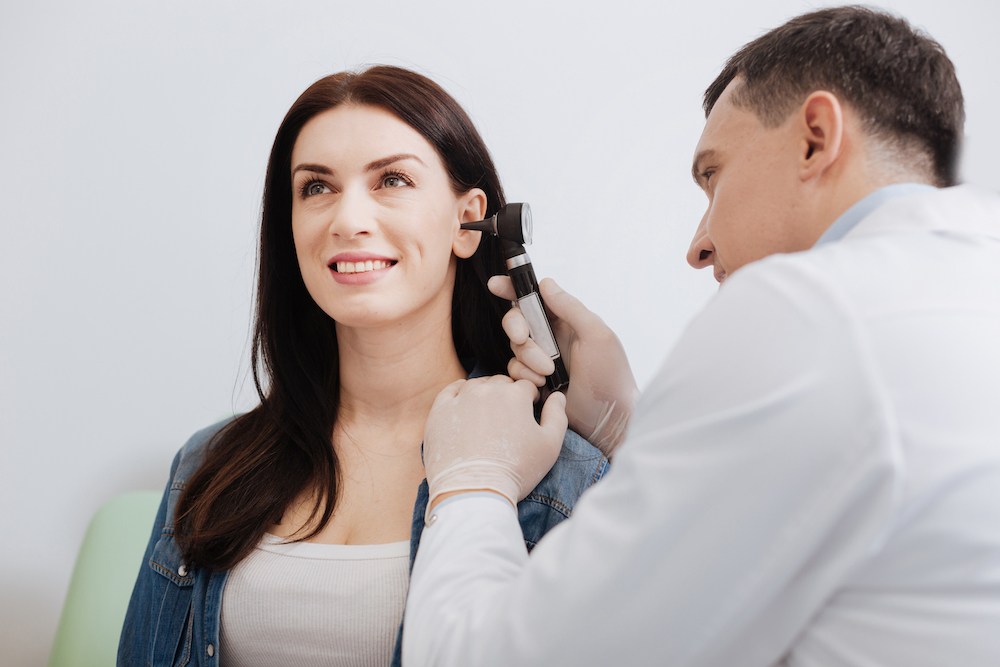
If you have noticed any of these signs, then schedule an appointment with an audiologist. From there, you can learn about options that may make speech clearer and daily listening less tiring.