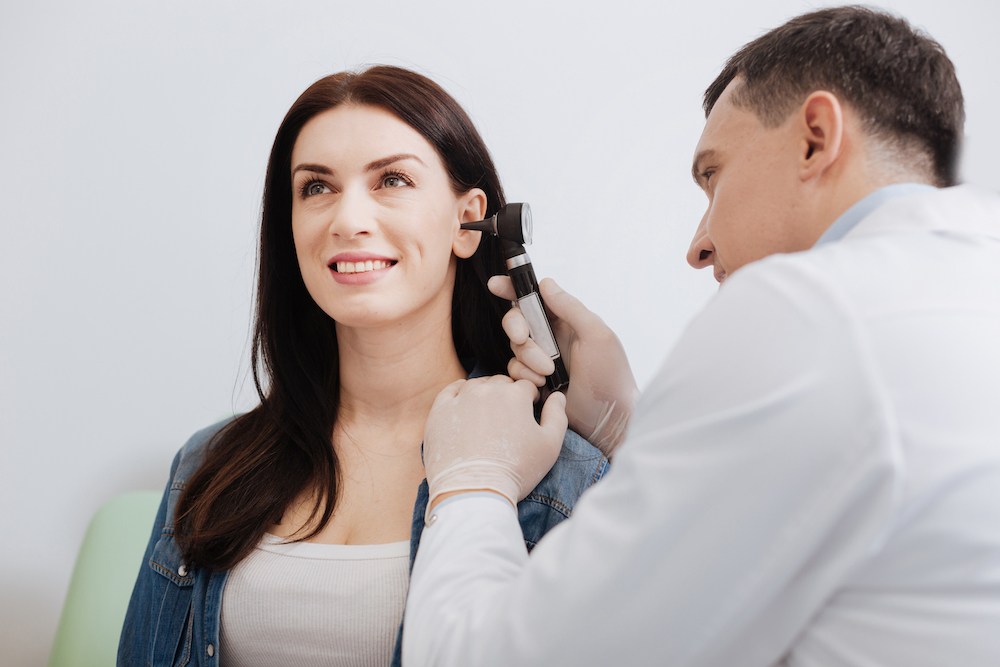
If you are living with diabetes, you probably already think about how it affects your circulation, nerves and overall health. Another area to be aware of is your hearing. High blood sugar over time can interfere with the small blood vessels and nerves inside the inner ear that help carry sound to the brain.

When these structures are affected, it may slowly become harder to hear softer sounds or follow speech in busy places. These changes can be easy to miss at first, but they may begin to affect daily conversations and social interactions.

Knowing that diabetes can influence hearing is an important step in protecting your health, making it worthwhile to manage blood sugar carefully and include hearing checks in your routine care.

Why Healthy Hearing Matters for Daily Life

Hearing well helps you stay connected to your surroundings. It plays a big role in how you communicate with others, enjoy activities and keep yourself safe.

When you hear clearly, daily life becomes easier and more enjoyable. For example, adults with untreated hearing loss are nearly three times more likely to feel socially isolated than those with healthy hearing.

Good hearing also supports your safety and independence. You are better able to hear alarms or emergency signals, understand instructions at work or school, enjoy conversations without needing others to repeat themselves and notice important changes in your environment.

Recognizing these benefits can help you make choices that protect your hearing health. Even small changes in your hearing can affect your quality of life.

How Diabetes Changes the Way Your Body Functions

Diabetes affects your body in many important ways. High blood sugar can influence several organs and systems, including those involved in hearing.

Some of the main effects include slower healing from injuries or infections, damage to small blood vessels that affects blood flow, nerve damage throughout the body including the ears and a higher risk of infections due to changes in the immune system.

These changes may not be obvious at first. Over time, though, they can add up and have a real impact on your overall health, including your ability to hear well.

What Studies Show About Diabetes and Hearing Loss

Research shows that people with diabetes are more likely to experience hearing loss than those without diabetes.

High blood sugar can damage the small blood vessels and nerves in the inner ear, making it harder for sound signals to reach your brain. Some studies also suggest that hearing loss may develop at a younger age in people with diabetes.

How Blood Flow Issues Affect Ear Health in People with Diabetes

Diabetes can change how blood flows throughout your body, including to your ears.

The inner ear needs a steady supply of oxygen-rich blood to function well. If diabetes damages the small blood vessels that supply the inner ear, hearing loss becomes more likely.

You might notice signs like feeling dizzy or off balance, sudden changes in hearing, ringing or buzzing sounds or trouble understanding speech in noisy places. Keeping your blood sugar under control and visiting an audiologist for regular checkups can help protect your ears.

Paying attention to these signs and seeking help if you notice changes is important for maintaining good hearing health.

The Impact of Infections on Hearing When You Have Diabetes

People with diabetes are more likely to get infections, including those that affect the ears. These infections can make hearing loss worse or cause sudden changes in how well you hear.

When blood sugar levels are high, your body’s ability to fight off germs is lower. This means ear infections may last longer or become more serious, which can damage parts of the ear needed for hearing.

If you notice pain, drainage or sudden changes in hearing, contact an audiologist right away. Early treatment can help prevent lasting problems with your hearing.

Signs of Hearing Loss to Notice if You Live with Diabetes

If you have diabetes, there are certain signs that may suggest changes in your hearing. These include turning up the volume on the TV more than usual, asking people to repeat themselves often or having trouble following conversations in places with background noise.

If these signs sound familiar, keep track of when they happen and let an audiologist know. Regular checkups and keeping your blood sugar under control can help protect your hearing health.

Ways to Keep Your Hearing Strong While Managing Diabetes

Protecting your hearing while managing diabetes starts with controlling your blood sugar levels. Eating a balanced diet, taking medications as prescribed and checking your blood sugar regularly can help protect the small blood vessels and nerves in your ears. Regular exercise also supports healthy circulation, which is important for ear health.

Seeing an audiologist for routine checkups is another important step. Early testing can catch changes in your hearing before they become more serious. Using ear protection in loud places and avoiding putting objects in your ears can lower the risk of infections or injury.

These habits may require extra time or effort each day, and it can sometimes be difficult to keep up with regular appointments or make changes to your daily routine. However, these steps offer benefits like better overall health, improved quality of life and a lower chance of developing hearing loss linked to diabetes.

The Importance of Regular Hearing Screenings for People with Diabetes

If you have diabetes, regular hearing screenings are important even if you do not notice any problems. Hearing loss often develops slowly, so you might not realize there is a change until it becomes more difficult to hear in certain situations.

Having your hearing checked by an audiologist at least once a year can help catch any changes early. Early detection allows you to take steps to protect your hearing and make adjustments as needed, which can improve your quality of life and help you stay connected with others.

Protecting Your Hearing Health While Living with Diabetes

Caring for your hearing is an important part of managing diabetes.

The connection between blood sugar levels and hearing health highlights the value of regular checkups and healthy habits. Noticing early signs like needing to turn up the volume or struggling to follow conversations allows you to address concerns before they become more serious.

If you have questions about protecting your hearing while living with diabetes or would like support, schedule an appointment with an audiologist. They are here to help you maintain your hearing health so you can stay connected to the people and activities that matter most.